Are Kenyan banks ready for IFRS S1 and S2?
A readiness checklist against the CBK climate risk framework and the four ISSB pillars, from what we see in pilots with tier 2 and tier 3 lenders.
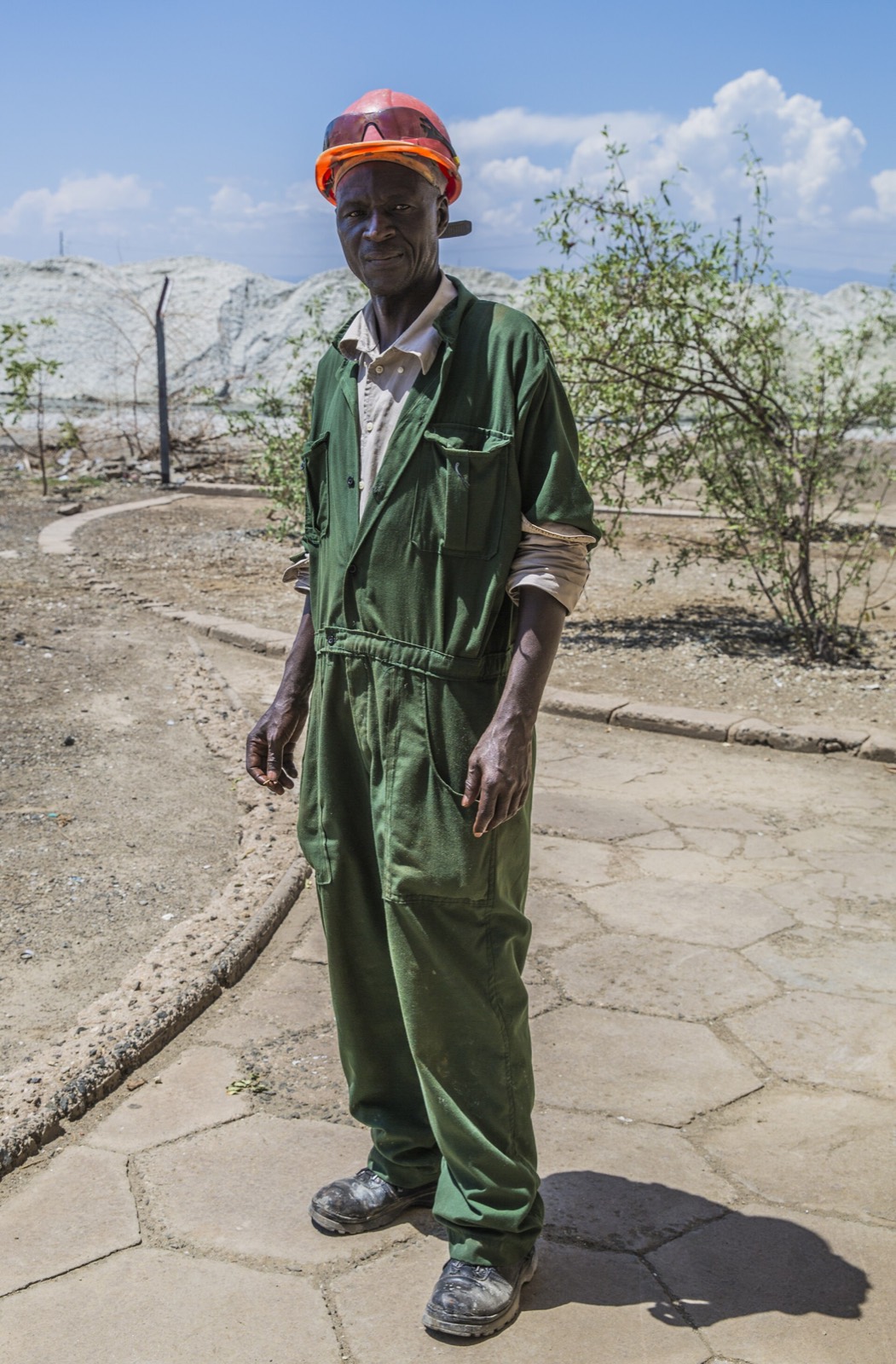
What DOSH and GRI 403 both want from your safety data
Kenya's Occupational Safety and Health Act and the global GRI safety standard ask for overlapping numbers. Collect them once, correctly, and both the regulator and your customers are answered.

What the Kenya Green Finance Taxonomy means for lenders
Eleven sector appendices, one classification question, and what to do before the first taxonomy-aligned report goes to the regulator.
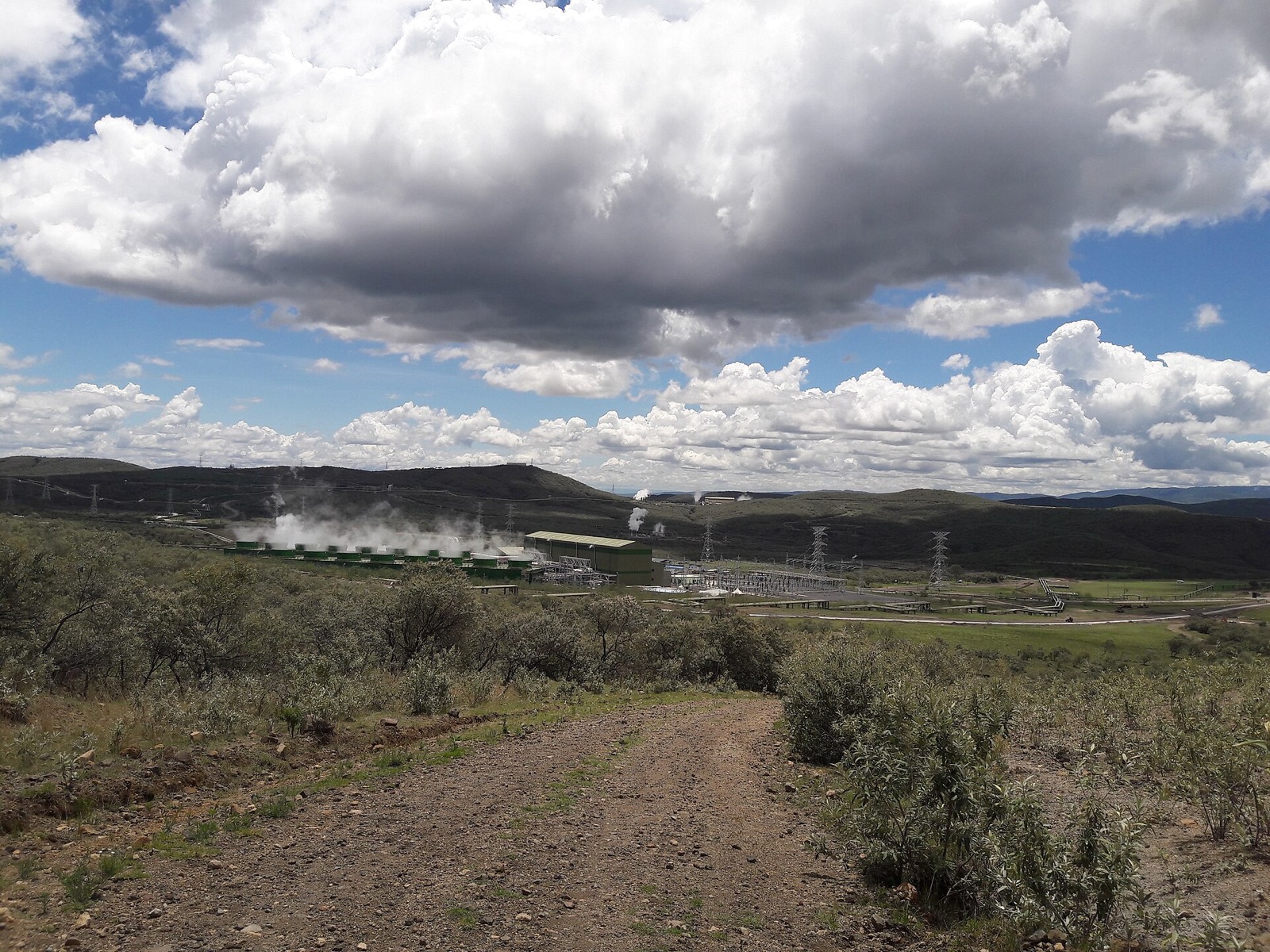
Why the Kenyan grid factor changes your carbon answer
Geothermal, hydro and wind make Kenya's grid one of the cleanest in the world. Using a European default overstates your Scope 2 by a wide margin and points your reduction plan at the wrong lever.

Readiness is not performance
Being organised to report and actually performing are different things. Why AfriESG scores them apart and never blends them.
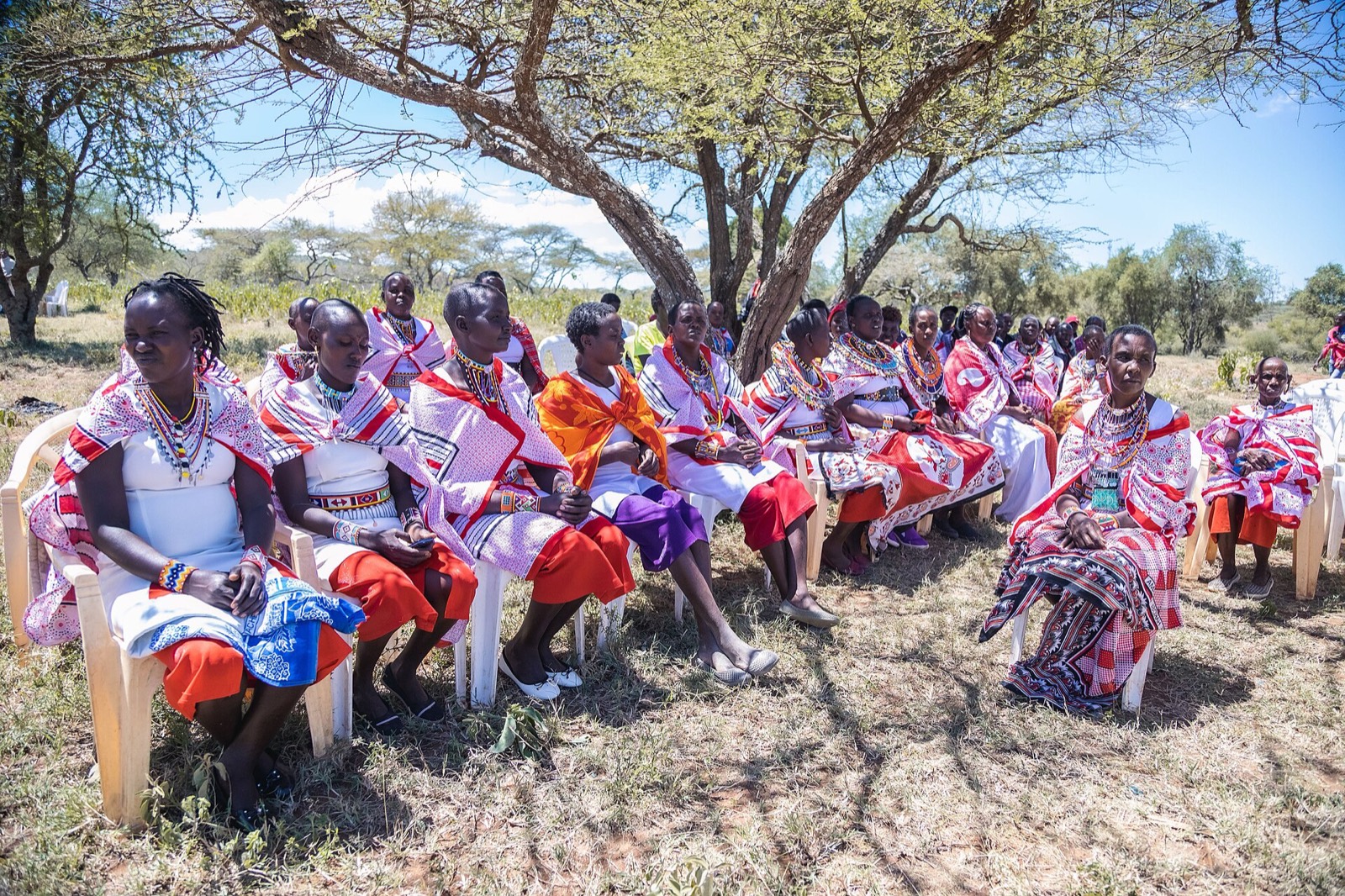
Stakeholder engagement that changes decisions
Most engagement reports describe meetings. IFRS S1 and GRI 2-29 want to know what changed as a result. Here is how to run engagement so there is something to report.

Biodiversity is the next line on your ESG report
TNFD, GRI 304 and Kenya's own conservation law are converging on one question: what does your business depend on in nature, and what does it affect? Here is how to start answering it.

What the CMA Code asks of your board on ESG
For NSE listed companies, board oversight of sustainability is a governance requirement, not a sustainability initiative. What the Code expects, and how to evidence it in a board pack.
See it with a company like yours.
We do not demo with slides. Tell us your sector and we will walk you through a manufacturer, a bank or an agribusiness on the real platform, in about thirty minutes.
Pilots are open now. The platform launches in the first quarter of 2027.