The Central Bank of Kenya published its Green Finance Taxonomy in April 2025. It gives lenders a shared language for what counts as green, across eleven sectors from agriculture and energy to buildings, transport and water. For a bank it turns a marketing word into a classification with criteria, and that changes the work.
Why it matters now
Before a taxonomy, a green loan was whatever the borrower and the relationship manager agreed to call green. After a taxonomy, a facility is green because the financed activity meets a technical screening threshold and does no significant harm to other objectives. That is a higher bar, and it comes with three practical consequences.
First, reporting. Banks will be expected to report green asset ratios and taxonomy-aligned lending, and those figures will be compared across the sector. Second, pricing. Development finance partners and international lenders increasingly link cost of funds to verified green lending, so classification quality has a direct financial value. Third, credibility. A bank that can show the evidence behind its green book will be believed. One that cannot will be asked hard questions.
The classification question, asked once per facility
For every facility the question is the same. Which activity is being financed, and does it meet the substantial contribution and do-no-significant-harm criteria for that activity in the relevant appendix?
Answering it needs evidence from the borrower: an energy audit, an equipment specification, a certification, a water permit. That evidence has to be requested at origination, not reconstructed at reporting time. Banks that bolt classification on at year end find that half the file is missing and the relationship manager has moved on.
Three things to do this quarter
- Map your loan book to the eleven sector appendices at product level. Most products will fall into one or two appendices, and a few will fall into none.
- Decide which borrower evidence you will collect at origination for each product, who is responsible for collecting it, and where it will be stored so that it can be found in three years.
- Run a pilot classification on your twenty largest exposures. You will learn more from twenty real files than from any policy document.
Where the taxonomy meets IFRS S2
The taxonomy is not a disclosure standard, but the two connect. IFRS S2 asks banks to disclose climate-related risks and opportunities, and taxonomy-aligned lending is the cleanest way to quantify the opportunity side. The same borrower evidence also feeds financed emissions estimates under PCAF. Collect it once, use it three times.
How AfriESG helps
The platform stores borrower evidence with a tamper-evident fingerprint, links it to the classification decision and the facility, and rolls the result up to a green asset figure that traces back to documents. When the regulator or an auditor asks how a loan qualified, the answer is a click, not a search.
More from the blog
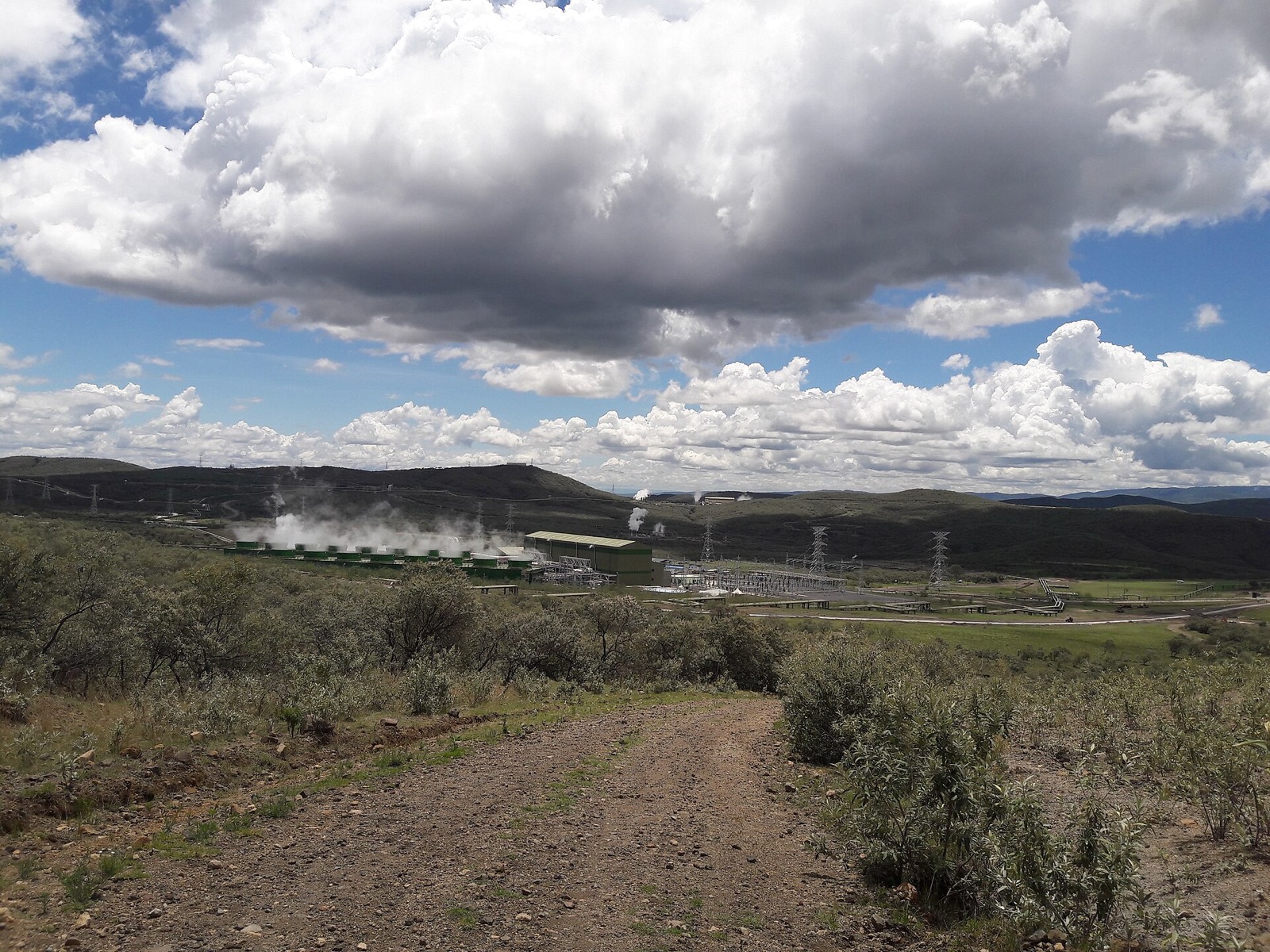
Why the Kenyan grid factor changes your carbon answer
Geothermal, hydro and wind make Kenya's grid one of the cleanest in the world. Using a European default overstates your Scope 2 by a wide margin and points your reduction plan at the wrong lever.

Biodiversity is the next line on your ESG report
TNFD, GRI 304 and Kenya's own conservation law are converging on one question: what does your business depend on in nature, and what does it affect? Here is how to start answering it.
What DOSH and GRI 403 both want from your safety data
Kenya's Occupational Safety and Health Act and the global GRI safety standard ask for overlapping numbers. Collect them once, correctly, and both the regulator and your customers are answered.
See it with a company like yours.
We do not demo with slides. Tell us your sector and we will walk you through a manufacturer, a bank or an agribusiness on the real platform, in about thirty minutes.
Pilots are open now. The platform launches in the first quarter of 2027.