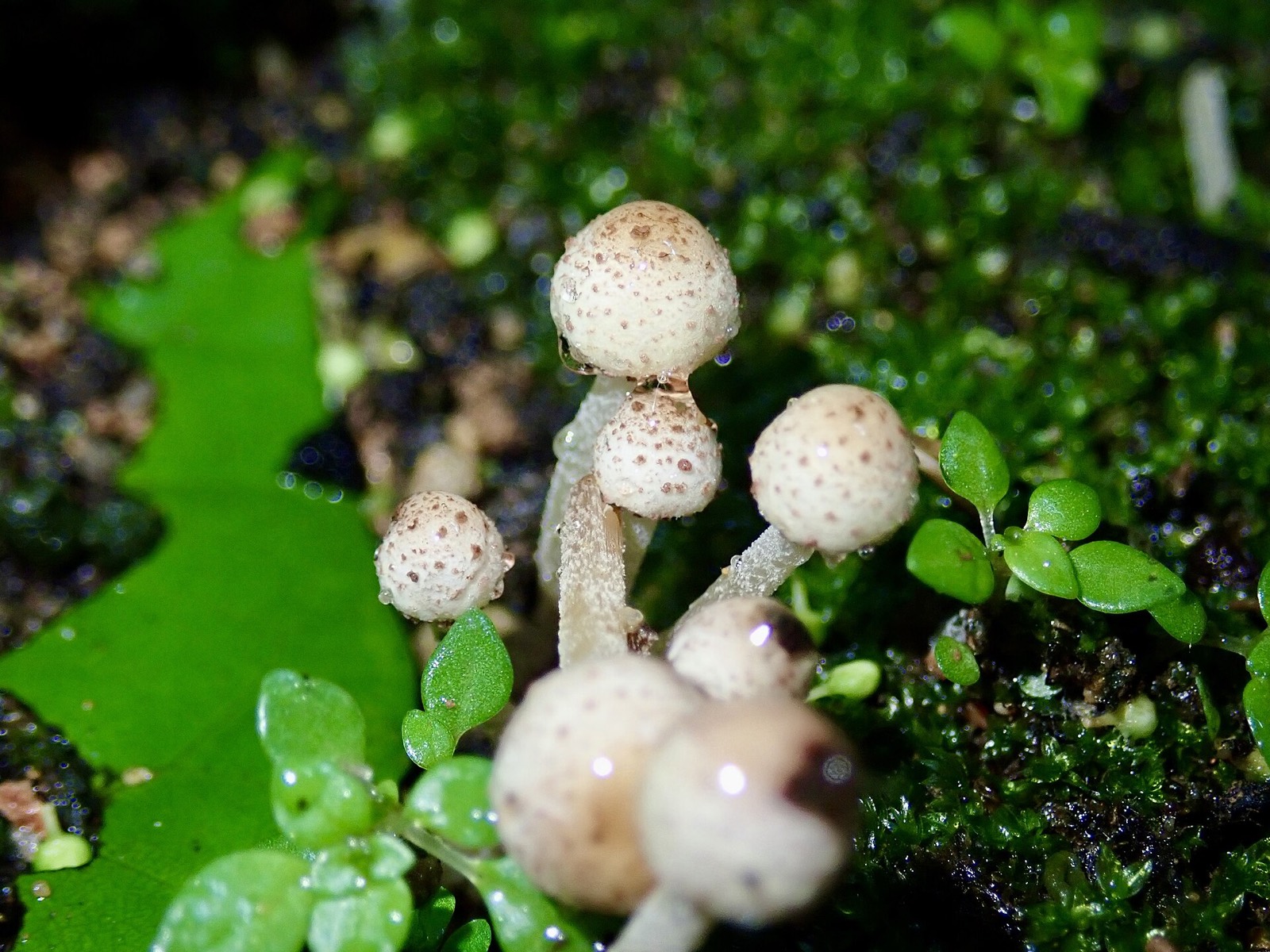
Climate got the first decade of corporate sustainability reporting. Nature is getting the second. The Taskforce on Nature-related Financial Disclosures published its final recommendations in 2023, GRI 304 has asked about biodiversity for years, and Kenya's Wildlife Conservation and Management Act and environmental impact assessment rules already bind any company operating near protected areas or water catchments.
For a Kenyan manufacturer, agribusiness or lender, the practical question is not whether nature will appear in your ESG reporting, but how to begin without a team of ecologists.
Dependencies and impacts, not just impacts
The useful frame from TNFD is that a business has both dependencies on nature and impacts on it. A tea estate depends on rainfall, soil and pollinators, and it affects water quality and forest cover. A bank depends on the agricultural borrowers who depend on all of that. Reporting only on impacts misses the half of the story that a lender or insurer most wants to know.
Start with location
Nature risk is local. The first step is to plot every site against protected areas, forests, wetlands and water-stressed catchments. In Kenya, that means checking proximity to gazetted forests such as Karura, Kakamega and the Mau, to national parks and reserves, and to the catchments of rivers that supply towns and irrigation. Most companies find that one or two sites carry nearly all the exposure.
Then ask four questions per site
- What natural resources does this site draw on, and how much? Water abstraction, timber, land, fish stocks, soil.
- What does the site release or disturb? Effluent, air emissions, land clearance, noise, light.
- Which permits and licences apply, and are they current? NEMA licences, water abstraction permits, forest access agreements.
- What would happen to operations if the resource degraded? A one-line answer per site is enough to start.
Turn the answers into metrics
A small set of metrics covers most disclosure needs: sites adjacent to protected areas, hectares of land used and restored, water withdrawn in stressed areas, significant spills and NEMA incidents, and whether a biodiversity action plan exists. These map directly to GRI 304 and to the TNFD core metrics, and they sit alongside your carbon and water numbers rather than in a separate report.
Why it pays
Lenders applying the CBK Green Finance Taxonomy will ask about biodiversity criteria for agricultural and land-use loans. International buyers of tea, coffee, flowers and horticulture already ask. And the companies that answer well tend to find operational savings in water and land they were not measuring.
AfriESG carries the nature and biodiversity topic inside the same material topics register as climate, water and waste, with the metrics preloaded and the evidence attached, so the first nature disclosure is an extension of what you already collect rather than a new project.
More from the blog
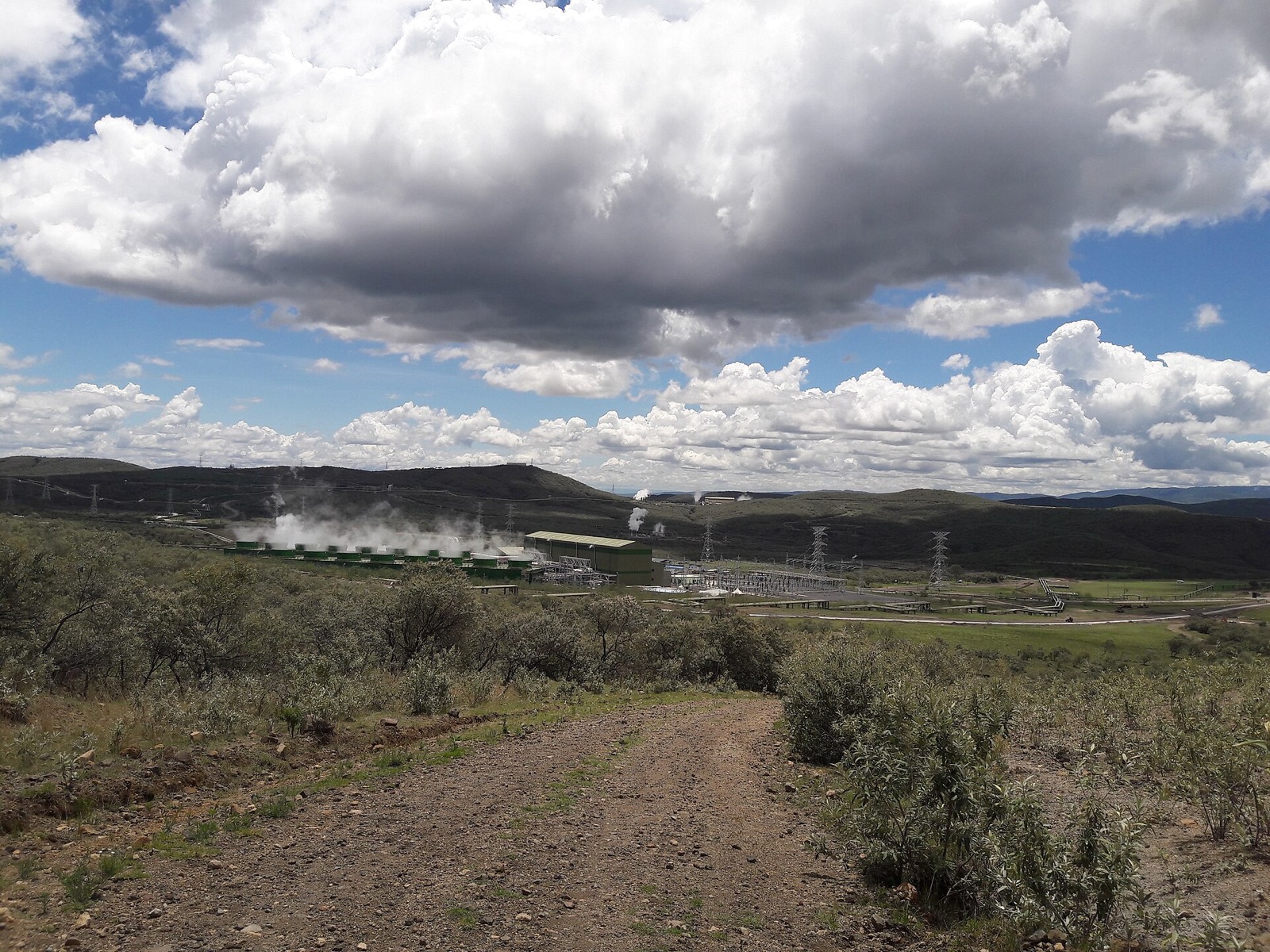
Why the Kenyan grid factor changes your carbon answer
Geothermal, hydro and wind make Kenya's grid one of the cleanest in the world. Using a European default overstates your Scope 2 by a wide margin and points your reduction plan at the wrong lever.

What the Kenya Green Finance Taxonomy means for lenders
Eleven sector appendices, one classification question, and what to do before the first taxonomy-aligned report goes to the regulator.
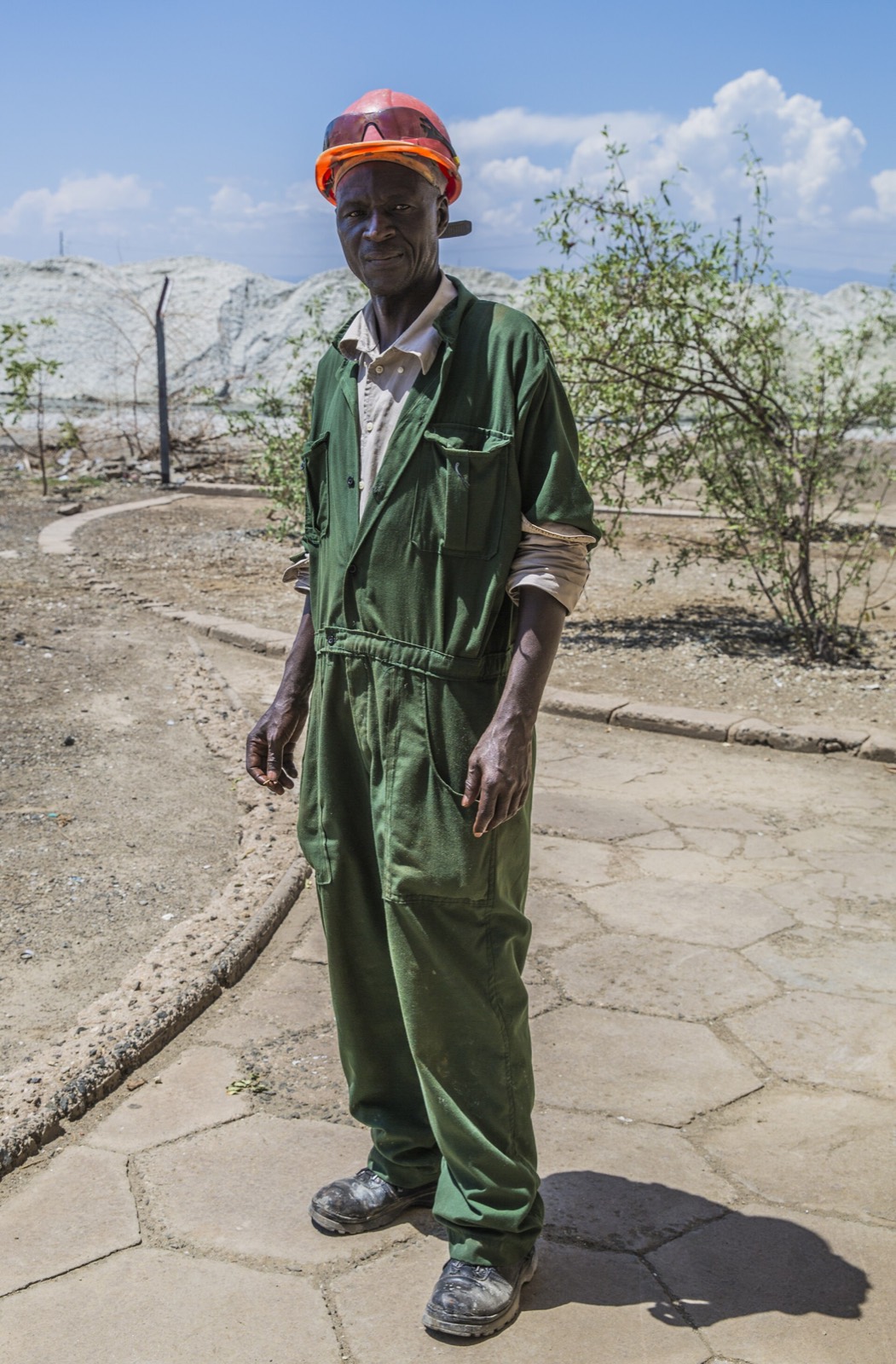
What DOSH and GRI 403 both want from your safety data
Kenya's Occupational Safety and Health Act and the global GRI safety standard ask for overlapping numbers. Collect them once, correctly, and both the regulator and your customers are answered.
See it with a company like yours.
We do not demo with slides. Tell us your sector and we will walk you through a manufacturer, a bank or an agribusiness on the real platform, in about thirty minutes.
Pilots are open now. The platform launches in the first quarter of 2027.