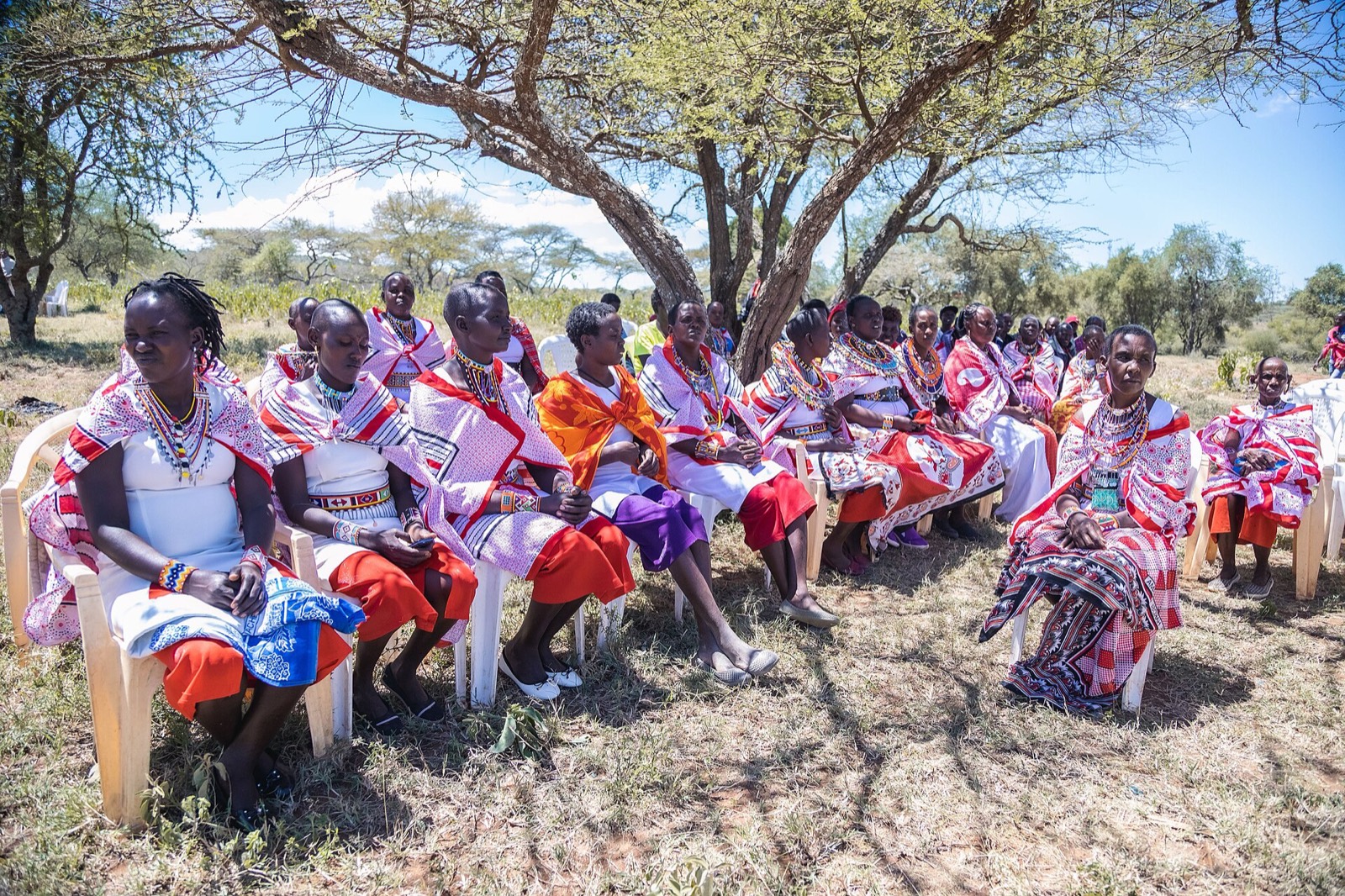
Every sustainability report has a stakeholder engagement section. Most of them list groups, channels and meeting counts. Very few say what the company decided differently because of what it heard. That gap is now visible, because IFRS S1 asks how stakeholder views informed the identification of material sustainability risks and opportunities, and GRI 2-29 asks how engagement shaped decisions.
Engagement is the input to materiality
The reason to engage stakeholders is not to have engaged them. It is to find out which topics matter to the people who can affect the business or be affected by it, and then to use that in the materiality assessment. If the survey results never reach the materiality workshop, the engagement was theatre.
A good process looks like this. Map the stakeholder groups: employees, customers, suppliers, communities near your sites, lenders, regulators and civil society. Score each for influence and interest, so you know who to consult and who to inform. Ask each group, through a survey or a structured conversation, to rate the importance of the topics on your long list. Then bring those scores into the assessment alongside the financial and impact views.
Ask fewer, better questions
The commonest mistake is a forty-question survey that nobody finishes. A stakeholder survey needs one question per topic on a five point scale, an open field for anything missed, and nothing else. Send it by a link that works on a phone, keep it anonymous unless the respondent chooses otherwise, and close it after two weeks. Response rates above thirty percent are achievable for employees and customers. Communities are better reached through a facilitated meeting with the results recorded on the day.
Record the decision, not just the meeting
For each material topic, write one sentence on what stakeholders said and one on what the company did about it. A Kajiado community raised water abstraction; the company installed metering and agreed a dry season limit. Employees rated safety training highest; the training budget was moved forward a quarter. These sentences are the disclosure. They are also the evidence that the board can read in a page.
Why it pays beyond the report
Engagement done this way surfaces risks early. The complaint that reaches you in a survey is cheaper than the one that reaches you through a regulator or a newspaper. It also builds the social licence that mining, agribusiness and infrastructure companies in Kenya depend on more than any policy document.
How AfriESG helps
The platform holds the stakeholder map, sends the topic survey by tokenised link, brings the responses straight into the materiality assessment, and stores the decisions taken against each topic. The engagement section of the report writes itself from what actually happened.
More from the blog
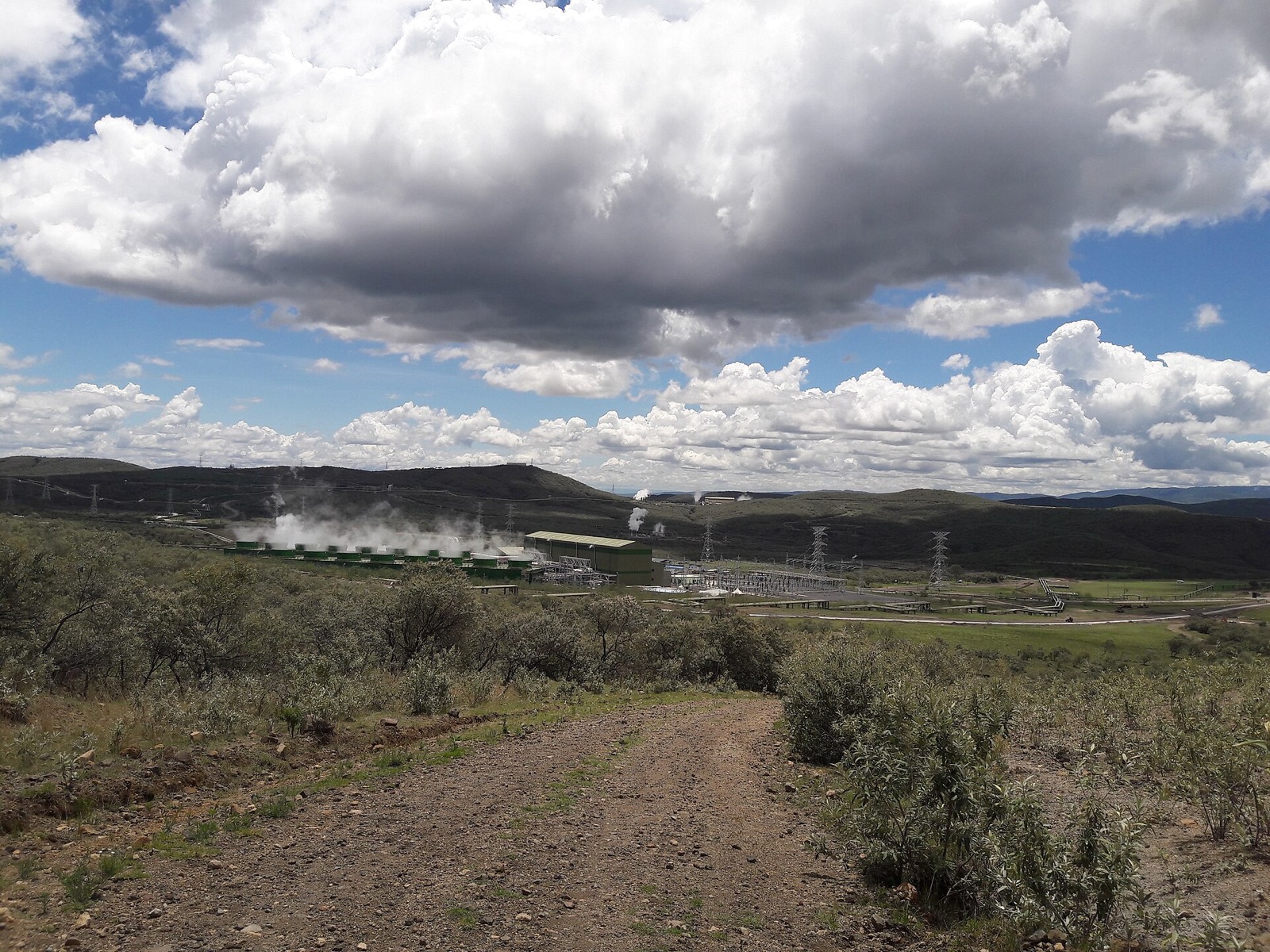
Why the Kenyan grid factor changes your carbon answer
Geothermal, hydro and wind make Kenya's grid one of the cleanest in the world. Using a European default overstates your Scope 2 by a wide margin and points your reduction plan at the wrong lever.

What the Kenya Green Finance Taxonomy means for lenders
Eleven sector appendices, one classification question, and what to do before the first taxonomy-aligned report goes to the regulator.

Biodiversity is the next line on your ESG report
TNFD, GRI 304 and Kenya's own conservation law are converging on one question: what does your business depend on in nature, and what does it affect? Here is how to start answering it.
See it with a company like yours.
We do not demo with slides. Tell us your sector and we will walk you through a manufacturer, a bank or an agribusiness on the real platform, in about thirty minutes.
Pilots are open now. The platform launches in the first quarter of 2027.